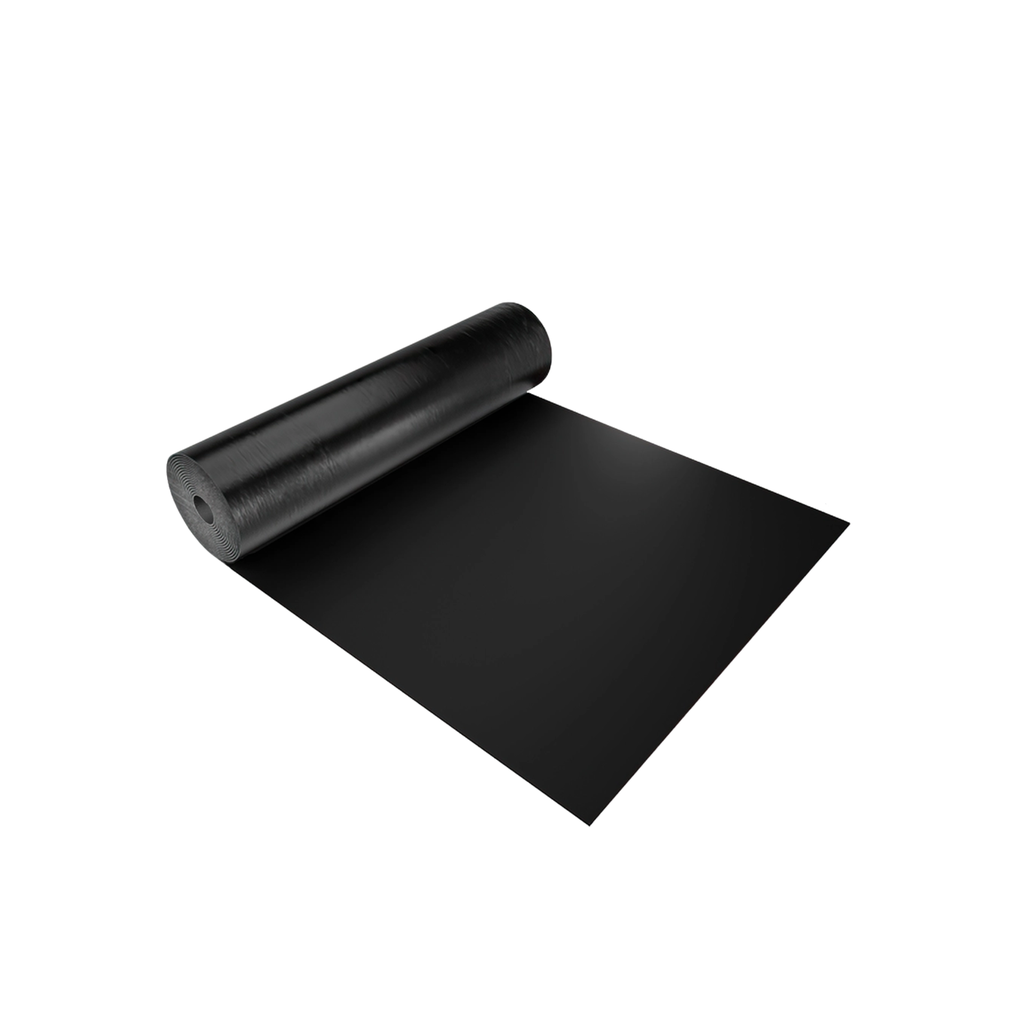
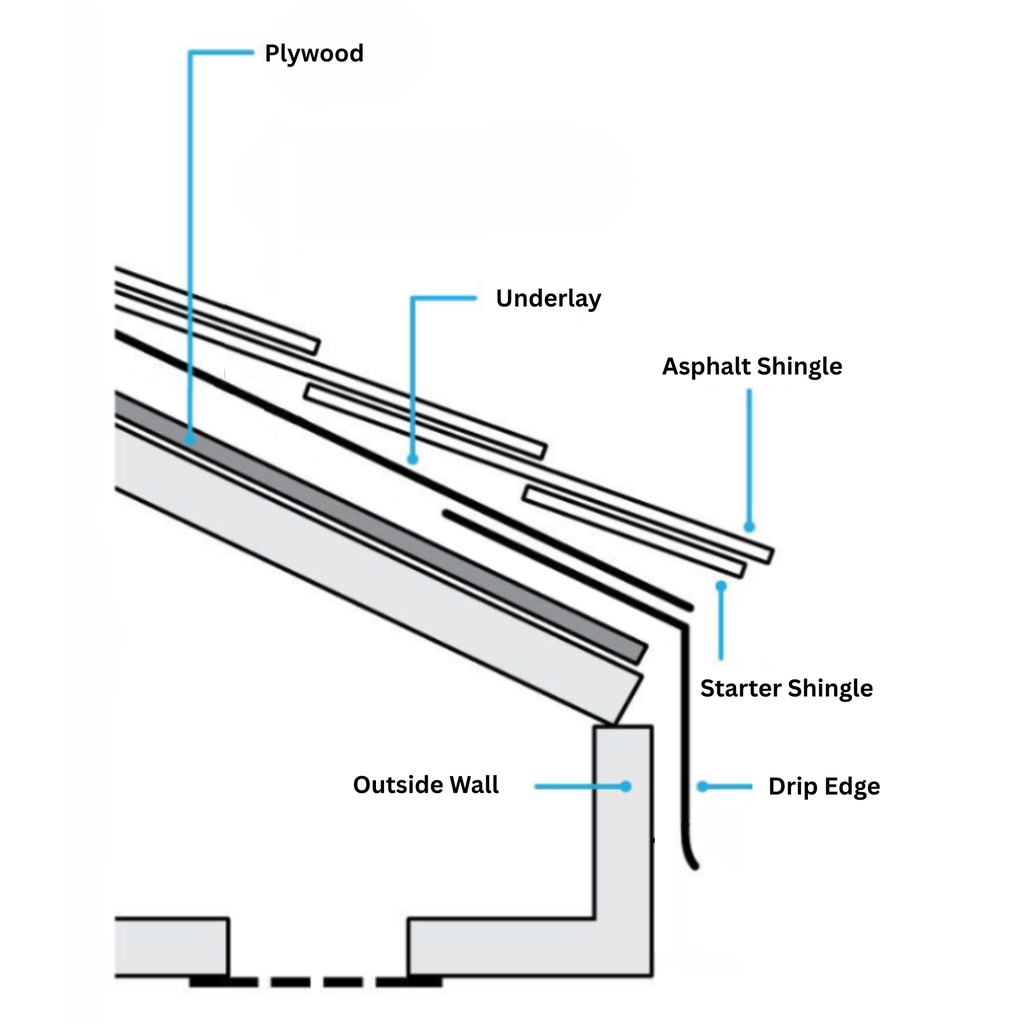
Roof underlays play a crucial role in waterproofing and protecting the structure beneath roofing materials, and the choice depends largely on the roof's pitch. For steep roofs with angles greater than 30°, Tar Paper—also known as roofing felt—is the traditional option. Made from paper saturated with bitumen, it is laid loosely beneath shingles or tiles and secured with nails or staples. It is affordable and easy to install, making it a popular choice where water runoff is rapid and the risk of moisture buildup is low. However, it is not suitable for lower slopes due to its limited waterproofing capability.
For medium-pitch roofs ranging from 20° to 30°, a more secure solution is Adhesive Membrane. This membrane features a bituminous adhesive layer that requires light torch heating to activate its adhesive properties, allowing it to bond securely to the roof deck without nails. It creates a tighter seal than standard tar paper, offering improved resistance to water penetration, particularly where drainage is slower.
On low-slope or flat roofs with angles less than 20°, where water is more likely to accumulate, the most reliable option is a Torch-On Granule Membrane